
The Lundin Cancer Fund-Canadian Cancer Society Glioblastoma Research Program

Glioblastoma (GBM) is one of the most urgent and complex challenges in cancer research.
It is the most common and aggressive type of cancerous brain tumor. Even with extensive research, it remains hard to treat because it grows quickly and doesn’t respond well to treatment.
To tackle this challenge, the Canadian Cancer Society (CCS) and the Lundin Cancer Fund (LCF) are partnering to create an innovative ecosystem to advance GBM research and discoveries to patients faster.
Setting the stage
In January 2025, the Lundin Cancer Fund and Canadian Cancer Society initiated a new partnership, with the LCF committing $4 million to establish Canada’s largest 5-year research program focused exclusively on glioblastoma. Together, the organizations committed to raise a total of $8 million to transform brain cancer outcomes.
Read the report
In June 2025 CCS and LCF organized the first Glioblastoma Discovery Summit, bringing together Canadian and international experts to examine what would be needed to truly advance GBM research for greater impact. The results of this Summit, along with consultations before and after the summit, established the initial focus areas for the LCF-CCS GBM Research Program.Initial focus areas:
- Creation of a Research Collaborative that aims to enhance collaboration and coordination of GBM research according to shared principles, expectations and guidelines, while accelerating innovation and progress.
- Development of a Summit Discovery Grants research program, designed to catalyze innovative, high-impact research in GBM by supporting small, focused projects that rapidly assess and fast-track proof of concept ideas.
- Development of an Early-Phase Clinical Trials research program, designed to advance novel therapeutic approaches in GBM. (Learn more here)
Summit Discovery Grants 2026
The Summit Discovery Grants from the Glioblastoma (GBM) Research Program will provide a unique opportunity for researchers that are members of the collaborative to test out their novel ideas for potentially game-changing impact in the GBM field. These Discovery Grants will fund high-risk, high-reward, early-stage projects to which preliminary data is not required. Projects submitted to this competition will be rated on their novelty, feasibility and potential impact in the GBM field.
The Discovery Grants will address an unmet need in the Canadian funding ecosystem by supporting unique ideas that would not normally be able to access “traditional” funding sources due to lack of preliminary data. In addition, this funding opportunity seeks to foster collaboration, and break siloes within the GBM research space in Canada. Bold science happens when institutions and research teams collaborate, and through this grant we expect to engage the GBM community in our collaborative and encourage different teams to get involved with each other and help research in the field evolve faster than ever.
Program description:
The Summit Discovery Grants will support preliminary research to establish proof of principle in novel concepts or approaches with the potential to advance GBM detection, treatment and patient quality of life. These grants will support proposals from any research field and discipline that demonstrate the potential for high impact and, where appropriate, seed collaborations among non-traditional cancer fields (engineering, AI, robotics, statistics etc). These grants are not intended to support research that represents incremental research in a program of work, or an expansion of previous work, but rather provide novel data and directions for future larger grants that will serve as “gamechangers” in the way we approach GBM, disrupting existing methods and displacing the status quo.
The goals of this funding opportunity:
- To spur the development of proof-of-concept ideas to better diagnose and treat GBM and/or lead to new lines of future investigation.
- To provide a unique opportunity for researchers to follow up on serendipitous findings that they would not otherwise have the resources to probe.
- To facilitate the adaptation and repurposing of existing methods and technologies from other health fields and research disciplines with the potential to change the status quo in cancer prevention, detection and treatment.
- To fund bold projects that, if successful, would generate enough preliminary data to allow for more funds in the future and lead to disruptions in current standards of care and replace the status quo in GBM detection and treatment.
Projects that would be considered ineligible for this competition include:
- Projects that focus on obvious next steps or incremental research associated with ongoing studies
- Projects for which validation already exists in the literature
- Projects with no obvious potential impact on GBM
Funds available
The Summit Discovery Grants will be for $175k, received in year one. Grants will be non-renewable. The total budget available for the competition is approximately $1M, enough to fund 6 to 7 Discovery Grants.
Funding will be provided to support the direct costs of research, including supplies, salaries, and equipment associated with the proposed work. Equipment requests cannot exceed 10% of the requested budget.
Indirect costs are not eligible. The funding duration is for 12 months.
| Total Budget | Amount per year | Duration | Equipment |
| ~$1M | Max. $175k | 1 year, non-renewable | 10% of the total budget |
Advisory Committee Members
 Dr. Susan Chang is an internationally recognized neuro-oncologist and a leading authority in the management and research of glioblastoma. As a Principal Investigator in the Brain Tumor Center and Co-Leader of the Neuro-Oncology Program at the Helen Diller Family Comprehensive Cancer Center at the University of California, San Francisco (UCSF), Dr. Chang has demonstrated exceptional leadership in multidisciplinary clinical care, translational research, and strategic program development. Her expertise is further underscored by her role as principal investigator on NIH-funded projects focused on optimizing glioblastoma patient outcomes. Dr. Chang’s career is distinguished by her commitment to advancing innovative therapies and evidence-based approaches for brain tumor patients. She brings a wealth of experience in clinical trial design, patient-centered research, and collaborative leadership, having trained at leading institutions including the University of British Columbia, Toronto General Hospital, Princess Margaret Hospital, and UCSF. Her ability to foster cross-institutional partnerships and guide complex research initiatives makes her uniquely qualified to chair an advisory committee dedicated to accelerating progress in glioblastoma research.
 John Bell is a Senior Scientist at the Ottawa Hospital Research Institute and Professor in the Departments of Medicine, Biochemistry, Microbiology, and Immunology at the University of Ottawa. Internationally recognized as a pioneer in cancer immunotherapy, Dr. Bell has dedicated his career to developing innovative therapeutic strategies for some of the most challenging cancers. As Scientific Director of BioCanRx, a national network accelerating the development of biotherapeutics for cancer treatment, Dr. Bell has played a pivotal role in building Canada’s capacity for translational research and clinical manufacturing of advanced therapies. He is also Program Director for the Ontario Regional Biotherapeutics Program at the Ontario Institute for Cancer Research.
 Dr Hottinger is the founding director of the Brain and Spine Tumor Center at Lausanne University Hospital (CHUV) and the University of Lausanne, as well as director of the Lundin Family Brain Tumor Research Centre at CHUV. He holds dual board certifications in oncology and neurology, with clinical training completed at Lausanne University Hospital (internal medicine), Bern University Hospital (neurology), Geneva University Hospital (oncology), and a fellowship in neuro-oncology at Memorial Sloan Kettering Cancer Center (MSKCC), New York.
A graduate of the MSKCC Clinical Research Methodology Curriculum, Dr. Hottinger is a recognized expert in clinical trial design and execution, particularly in neuro-oncology. He leads the development of clinical trials within his institution and has served as principal investigator for numerous phase I–III studies, with a focus on innovative immunotherapeutic strategies. His research aims to optimize trial design to enhance therapeutic efficacy and translational impact.
 Dr. Christine Brown is a tumor immunologist and internationally recognized leader in cellular therapy for brain cancers, with a particular emphasis on glioblastoma (GBM). She serves as the Heritage Provider Network Professor in Immunotherapy and Professor in the Departments of Hematology & Hematopoietic Cell Transplantation and Immuno Oncology at City of Hope, where she is also Deputy Director of the T Cell Therapeutics Research Laboratory (TCTRL). In these roles, Dr. Brown leads multidisciplinary teams that design, optimize, and translate CAR T cell therapies from discovery through first in human trials.
 Walter Robinson is an accomplished and bilingual public affairs executive with over 25 years of experience driving public policy change at every level of government in Canada. He is nationally recognized for his deep knowledge of parliamentary processes, government relations, and integrated advocacy strategies, especially in complex and politically charged environments. Walter has served as a national spokesperson for the Canadian Taxpayers Federation, Chief of Staff to the Mayor of Ottawa, and participated in national debate preparations with the Prime Minister of Canada.
Walter’s leadership in the healthcare and life sciences sectors is extensive. He has held Vice President roles with Innovative Medicines Canada (formerly Rx&D), worked as a Senior Director in the pharmaceutical industry, and contributed to hospital governance and health charity leadership positions. His advocacy for patient access to innovative therapies and his commitment to health equity are evident in his public commentary and volunteer work, including producing and hosting the Fight for the Cure cancer fundraiser in support of the Ottawa Regional Cancer Foundation.
 Dr. Shawn Hervey‑Jumper is a distinguished neurosurgeon and professor of neurological surgery at the University of California, San Francisco (UCSF). He specializes in the surgical treatment of brain tumors, with particular expertise in operating within functional regions of the brain using advanced physiological and brain‑mapping techniques to preserve speech, motor, and cognitive function. His research program investigates how intrinsic brain tumors remodel neural circuits, drive cognitive impairment, and respond to activity‑dependent therapeutic strategies.
 Dr. Hervey‑Jumper completed neurosurgical residency training at the University of Michigan, followed by a clinical fellowship in neuro‑oncology at UCSF. He is widely recognized for his contributions to awake brain surgery, innovation in neuro‑oncology, and his commitment to improving both survival and quality of life for patients with complex brain cancers.
 Peter Goodhand is a senior executive and board member in the global health sector, renowned for his strategic leadership and expertise in genomics, cancer research, and medical technology. As the founding CEO of the Global Alliance for Genomics & Health (GA4GH), Peter has played a pivotal role in shaping international standards and collaborations that accelerate the responsible sharing of genomic and clinical data to advance precision medicine.
With a distinguished career spanning over two decades in the medical technology industry, Peter has held leadership roles with multinational healthcare companies and served as Board Chair and President of Canada’s Medical Device Industry Association (MEDTECH). His experience also includes serving as President and CEO of the Canadian Cancer Society and President of the Ontario Institute for Cancer Research, where he championed innovative research programs and fostered partnerships across academia, industry, and patient communities.
 Dr. Sheila Singh is a Professor of Surgery at McMaster University and a leading pediatric neurosurgeon and brain cancer researcher. She is internationally recognized for her discovery of brain tumor-initiating cells and her pioneering work on glioblastoma biology and therapy. Dr. Singh’s research bridges laboratory science and clinical care, focusing on innovative treatments that target the root causes of brain tumor recurrence. In early 2026, Dr. Singh will joined King’s College London as Joint Head of the School of Cancer & Pharmaceutical Sciences and Head of the Comprehensive Cancer Centre, further underscoring her leadership in the field.
 Catherine Wreford is a passionate and inspiring advocate for people affected by brain cancer. Born and raised in Winnipeg, Catherine’s journey as a performer, nurse, and motivational speaker has been shaped by her personal experience with glioblastoma. Diagnosed with terminal brain cancer in 2013, shortly after the birth of her second child, Catherine defied the odds and embraced her true calling as a champion for patient empowerment and awareness.
Her remarkable resilience and determination have made her a powerful voice in the brain cancer community. Catherine’s triumph on Season 8 of The Amazing Race Canada, alongside her best friend Craig Ramsay, amplified her mission to raise awareness and find a cure for brain cancer. Through her public speaking, advocacy, and creative work, she encourages others to “run your own amazing race,” inspiring hope and action in the face of adversity.
 Dr. Mason serves as the Medical Director of the Gerry & Nancy Pencer Brain Tumor Centre at Princess Margaret Cancer Centre, where he holds the Kirchmann Family Chair in Neuro-Oncology Research. He is also an Associate Professor in the Department of Medicine at the University of Toronto. Dr. Mason is a highly respected leader in neuro-oncology, with extensive experience in both clinical care and research focused on brain tumors, particularly glioblastoma (GBM). His career is distinguished by a commitment to advancing innovative therapies and improving outcomes for patients facing the most challenging forms of brain cancer.
Contact us
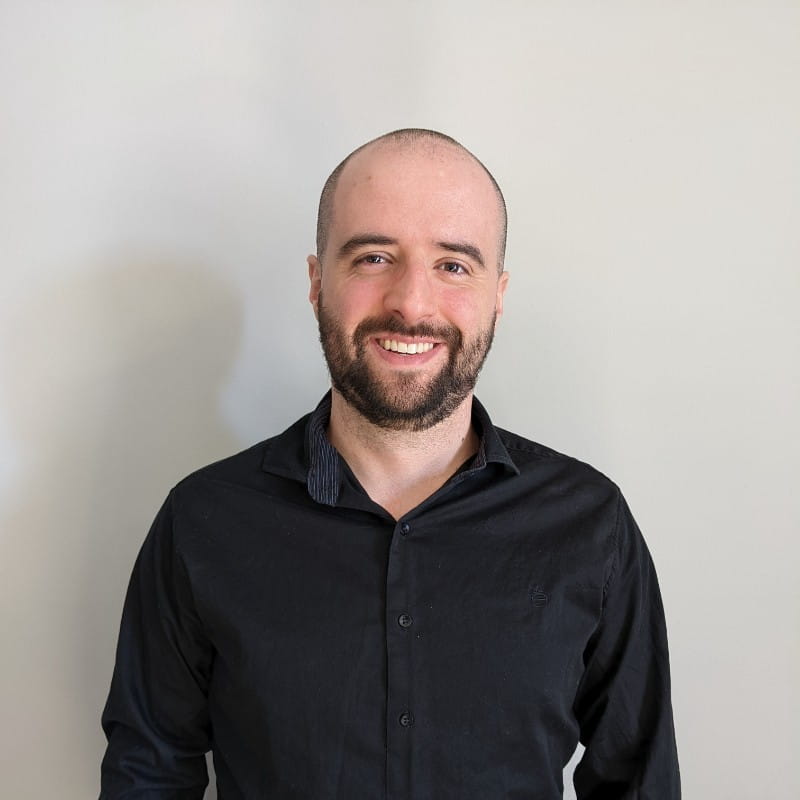 Contact us to be notified when new information is available, if you have any questions, Arthur Dantas, our Glioblastoma Program Lead will assist with your inquiry.